How to Calibrate Your Oven: Fix Temperature Inaccuracy, Hot Spots, and Uneven Baking Step-by-Step
If your cakes domed too hard, cookies brown on one side, or roasts finish early even when you follow the recipe exactly, your oven is probably lying to you. The dial or display is only a request; the real temperature inside the box can drift over time, cycle above and below the setpoint, and vary from corner to corner. This article walks you through a practical, step-by-step oven calibration process using tools you can trust, including how to measure true temperature, adjust digital or analog offsets, and map hot spots so you can place pans with intention. You’ll also learn why preheating and rack position matter more than most people think, what bakeware does to browning, and how to troubleshoot common symptoms like burnt bottoms, pale tops, and uneven rise. Think of it like a pre-mission equipment check: verify, correct, and standardize so every bake is repeatable.
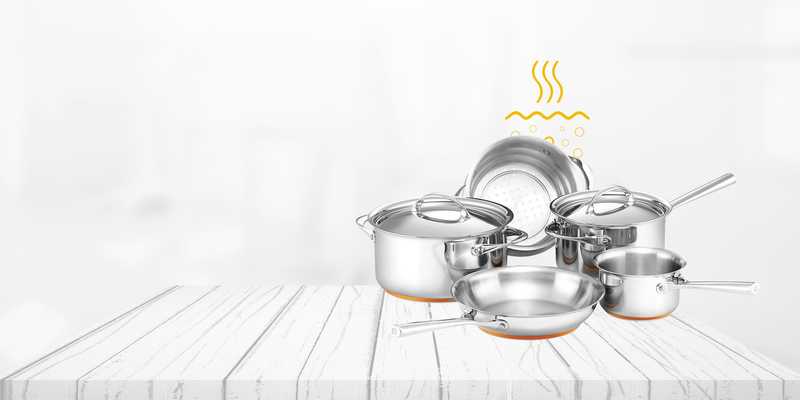
Stainless Steel Pans 101: How to Stop Food Sticking and Get a Perfect Sear (Without More Oil)
Stainless steel pans can feel unforgiving until you understand what’s happening at the cooking surface. Sticking usually isn’t a “bad pan” problem-it’s a temperature, moisture, and timing problem. In this guide, you’ll learn how to preheat correctly, when to add oil, and how to let proteins release naturally so you can sear hard with less fat. We’ll cover the water-drop test, the thin-film oil method, and practical workflows for steak, chicken, fish, and eggs. You’ll also learn how to use fond (the browned bits) to your advantage, how different stovetops change your approach, and how to clean stainless steel without wrecking performance. The goal is simple: consistent browning, minimal sticking, and better flavor-using repeatable steps you can run every time.
How to Sharpen Kitchen Knives at Home: Whetstone vs Honing Rod (and the Angle Tricks Pros Use)
A sharp knife is safer, faster, and more predictable than a dull one, but most home cooks mix up sharpening and honing. This article breaks down what each tool actually does, when to use a whetstone versus a honing rod, and how to get professional-level results without a workshop full of gear. You’ll learn how to pick the right stone grits, how to find and hold the correct sharpening angle using simple tricks (coin stack, Sharpie line, spine height), and how to read the burr so you know you’re making real progress. We’ll also cover rod technique for daily edge maintenance, common mistakes that wreck edges, and a simple routine you can stick to. If you cook regularly and want cleaner slices, less frustration, and fewer accidents, this is the home sharpening playbook you’ve been missing.